Posts
Spring Wellness Trends 2026: 5 Evidence‑Based Practices to Elevate Your Mood
Discover five science‑backed spring wellness trends for 2026 that fit into your busy day—quick micro‑doses to boost mood, focus, and resilience.
 Maya SenguptaMarch 17, 2026
Spring Digital Detox: 5 Science‑Backed Micro‑Doses to Reduce Screen Fatigue
A quick, evidence‑backed guide to micro‑doses that curb screen fatigue, protect your nervous system, and boost spring mood—all in under five minutes a day.
Maya SenguptaMarch 17, 2026
3 Science‑Backed Tricks to Calm Meeting Anxiety in Minutes
Quick TipFeeling jittery before a meeting? Discover three evidence‑based tricks to instantly lower meeting anxiety and boost confidence.
Maya SenguptaMarch 16, 2026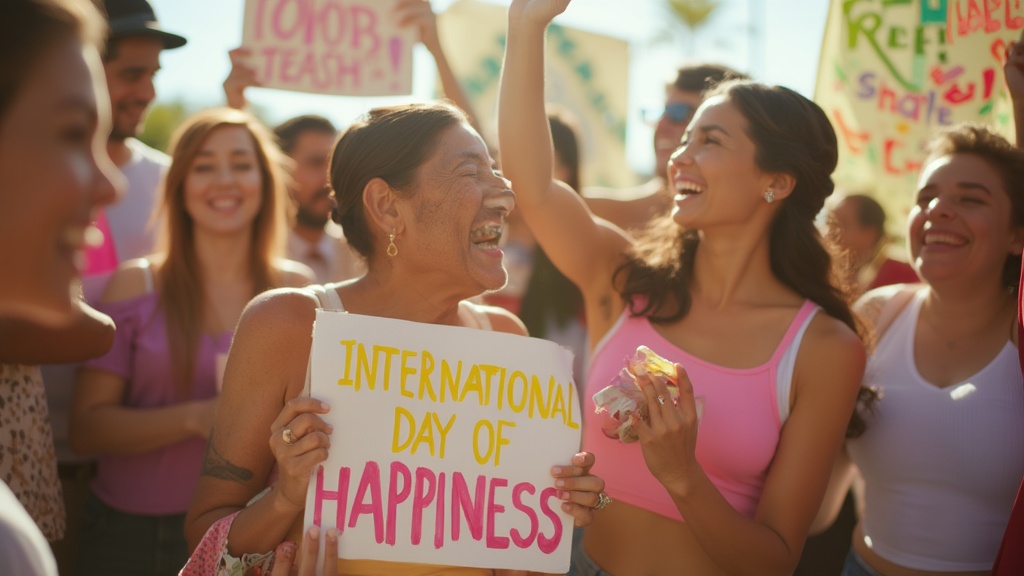
International Day of Happiness: 7 Science‑Backed Rituals to Boost Joy
ListicleCelebrate the UN’s International Day of Happiness on March 20 with seven science‑backed rituals that lift mood, deepen connection, and sustain joy.
Maya SenguptaMarch 16, 2026
Microbreaks at Work: A Science-Backed Guide to Boosting Focus and Mood
How-ToLearn how short, intentional microbreaks can reset your brain, lift mood, and sharpen focus—backed by the latest research and practical tips you can start using today.
Maya SenguptaMarch 16, 2026
5 Quick Stress‑Relief Micro‑Doses You Can Do Anywhere
Need instant calm? Try five science‑backed micro‑doses—30‑second breath, 60‑second walk, 20‑second grounding, 10‑second gratitude, and a 15‑second awe pause—that melt stress in minutes, wherever you are.
Maya SenguptaMarch 15, 2026
National Stress Awareness Day: Science-Backed Practices to Calm Your Mind
Celebrate Stress Awareness Day with evidence-based rituals that lower cortisol, boost mood, and fit into busy lives—no fluff, just science.
Maya SenguptaMarch 15, 2026
Embracing Luck of the Irish: Unconventional St. Patrick’s Day Ideas
Discover fresh, science-backed ways to celebrate St. Patrick’s Day beyond green drinks—meaningful rituals, mindful moments, and low‑impact traditions.
Maya SenguptaMarch 15, 2026
Mindful St. Patrick’s Day: 5 Simple Traditions
Discover mindful ways to celebrate St. Patrick's Day, blending Irish traditions with science-backed practices for deeper connection and lasting joy.
Maya SenguptaMarch 14, 2026
The Spring Paradox: Why You Might Feel Worse Right When Everything's Supposed to Get Better
Suicide rates peak in spring, not winter. The contrast between how you feel and how you think you should feel can be devastating. Here's the science behind why the 'happy season' is hard for so many of us—and what actually helps.
Maya SenguptaMarch 13, 2026
The People You Almost Know: Why Acquaintances Matter More Than You Think for Loneliness
The wellness world obsesses over deep relationships, but research shows your acquaintances—the barista, the dog walker, the gym regular—might matter just as much for beating loneliness. Here's what the science of 'weak ties' means for how we build connection.
Maya SenguptaMarch 13, 2026
Your Brain on Boredom: Why Doing Nothing Is Doing More Than You Think
We engineered boredom out of human experience. Neuroscience says that was a mistake. Here's what your default mode network does when you finally let it work.
Maya SenguptaMarch 13, 2026