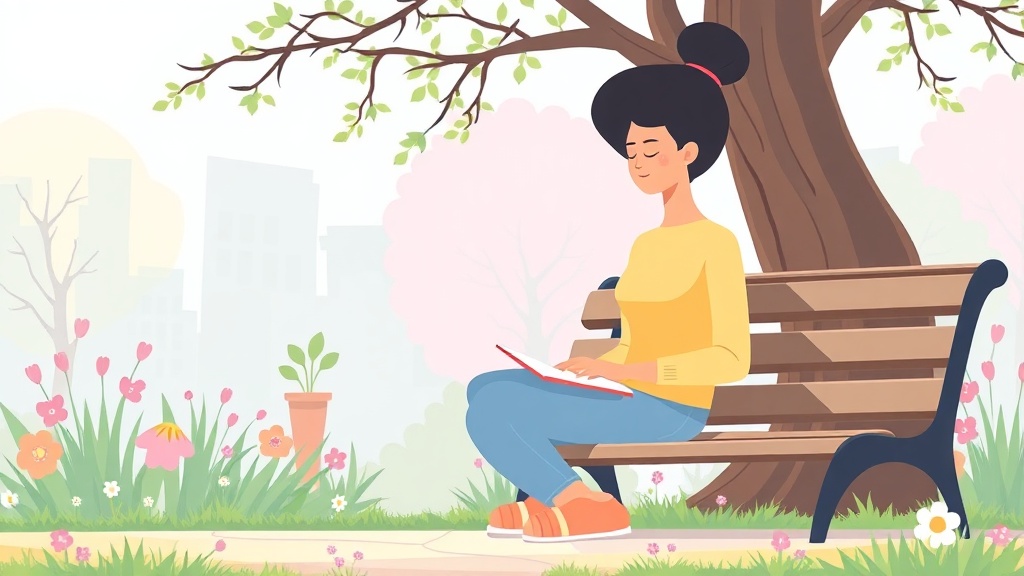
Spring Digital Detox: 5 Science‑Backed Micro‑Doses to Reduce Screen Fatigue

Feel like your phone is draining your energy as the days get longer? You’re not alone. Spring brings more daylight, but it also brings a flood of notifications, emails, and endless scrolling. The good news? You can hit the reset button in under five minutes a day with evidence‑backed micro‑doses that calm the nervous system and protect your mood.
Why does screen fatigue spike in spring?
Longer daylight triggers our circadian rhythm to shift, while our devices stay on 24/7. Studies show that excessive blue‑light exposure and constant notification alerts increase cortisol and lower heart‑rate variability (HRV), a key marker of stress (Harvard Health, 2025). The mismatch between natural light cues and artificial screen time creates a hidden "digital‑stress" loop.
Which 5 micro‑practices can give you a spring digital detox?
1. The 30‑Second Notification Pause
When a notification pops, resist the urge to open it. Instead, take three deep breaths (4‑2‑6 pattern) and note the feeling. This simple pause activates the parasympathetic branch, lowering the immediate stress spike. Pair it with a micro‑break to reinforce the habit.
2. The "Sun‑Screen" Switch
At sunrise, step outside for two minutes and let natural light flood your eyes. Then, turn off all screens for the next 30 minutes. Natural light resets your circadian clock, while the screen‑free window prevents the post‑sunrise dopamine dip that comes from scrolling. This practice is highlighted in the 2026 Global Wellness Summit’s "Neurowellness" report.
3. Grounded Browsing Break
Set a timer for 5 minutes. During that window, browse the web with a conscious grounding exercise: feel your feet on the floor, notice the texture of your chair, and keep your eyes at least 30 cm from the screen. Grounding engages the somatosensory cortex, reducing the amygdala’s threat response (McGill University, 2024).
4. Evening "Tech‑Shutdown" Ritual
Thirty minutes before bed, power down all devices, dim the lights, and do a 2‑minute body scan from toes to head. A 2026 meta‑analysis found that this routine improves sleep latency by an average of 13 minutes (Sleep Foundation, 2026). See my bedtime doom‑scrolling shutdown guide for a step‑by‑step walk‑through.
5. Micro‑Dose Movement Burst
Stand up, stretch your arms overhead, and roll your shoulders for 30 seconds. Movement stimulates vagal tone, a key pathway for calming the nervous system (American Journal of Physiology, 2025). Combine this with the 5 quick stress‑relief micro‑doses you can slip into any workday.
How to make these micro‑practices stick
1️⃣ Set a phone reminder for each practice (e.g., "Notification Pause" at 10 am).
2️⃣ Pair with an existing habit—like brushing teeth → "Tech‑Shutdown".
3️⃣ Track your streak in a habit app; visual progress reinforces the loop.
Takeaway
Pick any two of these five micro‑doses and apply them daily for a week. You’ll likely notice lower screen‑induced stress, sharper focus, and a brighter spring mood—exactly the reset your nervous system craves.
Frequently Asked Questions
- Is 30 seconds really enough to calm my nervous system? Yes. Research shows a single 30‑second box‑breathing cycle can significantly boost HRV, a stress‑reduction marker.
- Do I need special apps for the notification pause? No—just the built‑in notification center and a timer.
- Can these practices replace professional help? They complement, not replace, therapy. Think of them as daily maintenance tools for your mental bandwidth.