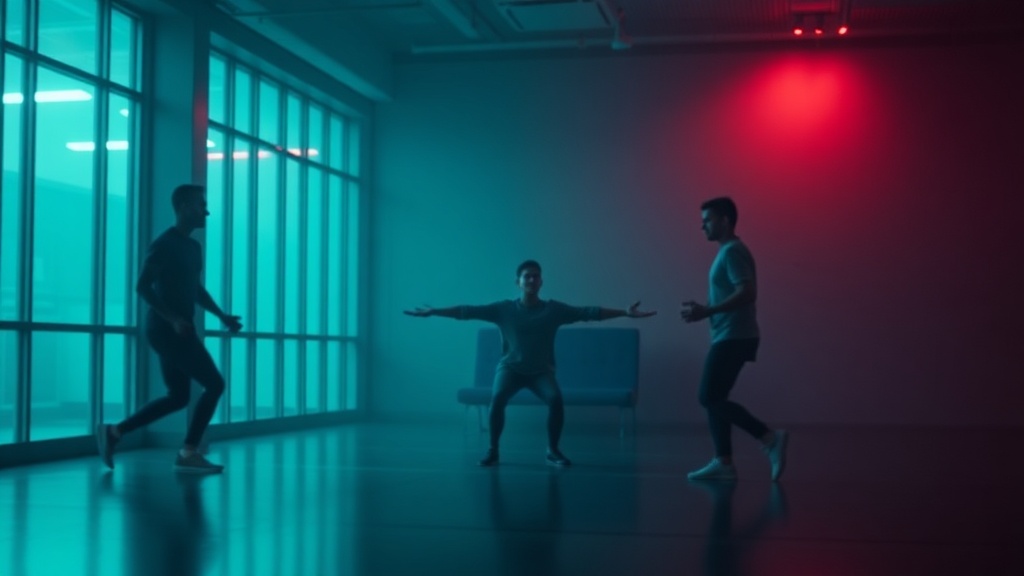
Why You Should Try a Five Minute Movement Break

Quick Tip
A short burst of physical movement can shift your mental state more effectively than sitting still.
The Science of the Five-Minute Reset
Do you feel like your brain has turned into static after three hours of sitting at your desk? This mental fog isn't a lack of willpower; it is a physiological response to sedentary behavior. When you remain stationary for extended periods, your blood circulation slows and your oxygen intake becomes shallow. A five-minute movement break acts as a biological "reboot" by increasing blood flow to the brain and regulating cortisol levels, allowing you to return to work with higher cognitive function rather than just more caffeine.
Why Small Bursts Outperform Long Workouts
Most people view exercise as a monumental task—a 60-minute gym session or a 5-mile run. However, research into "micro-movements" suggests that brief, intense bouts of activity are highly effective at breaking the cycle of mental fatigue. These short bursts prevent the accumulation of physical tension that often leads to anxiety when facing long to-do lists. By intentionally choosing a five-minute window, you bypass the psychological barrier of "not having enough time" and provide your nervous system with a necessary stimulus.
Three Practical Ways to Move Right Now
You do not need to change into gym clothes or leave your home office to see the benefits. Choose one of these evidence-based methods based on your current energy level:
- The Proprioceptive Shake: Stand up and shake your arms, legs, and torso vigorously for 60 seconds. This helps discharge built-up sympathetic nervous system tension and improves body awareness.
- The Staircase Interval: If you are in an office or a multi-story home, walk up and down one flight of stairs twice. The brief increase in heart rate provides a spike in dopamine and norepinephrine.
- The Isometric Stretch: If you cannot leave your desk, perform a series of "wall sits" or high-intensity stretches, such as a deep forward fold or a doorway chest stretch. This targets muscle stiffness caused by prolonged typing.
Implementing the Habit
To make this a sustainable routine rather than a one-off event, tie your movement to an existing cue. Use a digital timer or a specific app like Forest or Focus To-Do to trigger a break every 90 minutes. Treat this movement not as a luxury, but as a non-negotiable part of your cognitive maintenance. If you find yourself struggling to transition back to work, remember that even 300 seconds of movement is a physiological win for your mental clarity.