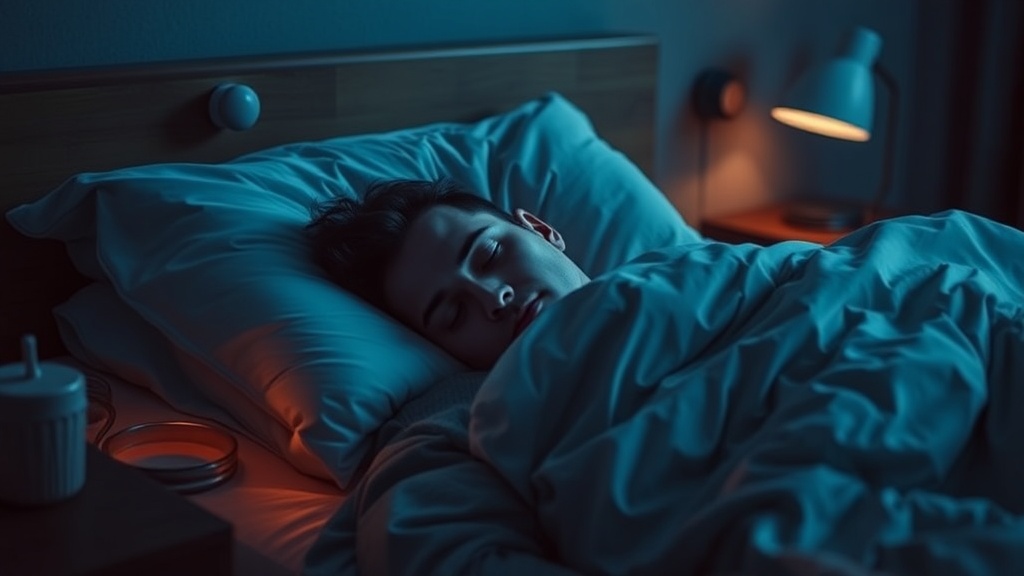
Why You Feel So Tired Even After Sleeping All Night

The Impact of High Cortisol Levels
Sleep Fragmentation and Micro-Awakenings
The Role of Digital Blue Light Before Bed
Nutritional Gaps and Hydration Issues
Mental Load and Decision Fatigue
The blue light from a smartphone screen illuminates a dark bedroom at 3:00 AM, reflecting in eyes that are wide awake despite the body's physical exhaustion. This specific moment of cognitive friction—where the brain is overstimulated but the body is depleted—is a common indicator that sleep quantity is not the same as sleep quality. If you are waking up feeling unrefreshed despite getting eight hours of sleep, the issue likely isn't the duration of your rest, but the biological and psychological variables interfering with your restorative cycles. This article examines the physiological and behavioral reasons for persistent fatigue and provides evidence-based adjustments to improve your actual recovery.
The Difference Between Sleep Duration and Sleep Architecture
Most people track sleep by how many hours they spend in bed, but sleep is actually a series of complex cycles consisting of light sleep, deep sleep, and REM (Rapid Eye Movement) sleep. If you are frequently interrupted or if your body cannot transition effectively into deep sleep, you will wake up feeling heavy and cognitively slow. Deep sleep is the stage responsible for physical repair and growth hormone release, while REM is crucial for emotional regulation and memory processing.
When these cycles are fragmented, you experience "sleep inertia," that heavy, groggy feeling that persists long after you've actually gotten out of bed. This is often caused by a lack of consistent sleep architecture rather than a lack of time in bed.
1. Circadian Rhythm Misalignment
Your body operates on a 24-hour internal clock known as the circadian rhythm, which is heavily influenced by light exposure. If you spend your working hours in a windowless office or under harsh fluorescent lighting, and then spend your evenings under high-intensity LED lights, you are sending conflicting signals to your suprachiasmatic nucleus (the part of the brain that regulates sleep).
The Practical Fix:
- Morning Sunlight: Within 30 minutes of waking, step outside or stand by a window. Direct sunlight (even on cloudy days) triggers a cortisol spike that sets a timer for melatonin production later that night.
- The 10:00 PM Dimming: At least one hour before bed, switch to low-level, warm-toned lighting. If you use a lamp, choose one with a warm amber bulb rather than a bright white overhead light.
- Consistent Wake Times: Wake up at the same time every day, even on weekends. This stabilizes your biological clock more effectively than "catching up" on sleep on Saturdays.
2. The Impact of Decision Fatigue and Cognitive Load
Mental exhaustion can manifest as physical tiredness. If your day is spent making hundreds of micro-decisions—from choosing what to wear to responding to complex emails—your prefrontal cortex becomes depleted. This state of high cognitive load often carries over into the evening, making it difficult for the brain to "shut down," even if the body is ready to sleep.
When your brain is stuck in a loop of unresolved tasks or future planning, it prevents the transition into the parasympathetic state required for deep sleep. This is often a byproduct of managing decision fatigue and mental exhaustion throughout the day. If you don't offload these mental tasks, they remain active in your subconscious during the night.
The Practical Fix:
- The Brain Dump: Keep a physical notebook by your bed. Before you lie down, write out every task, worry, or idea currently occupying your mind. This externalizes the data so your brain feels it no longer needs to "hold" the information.
- Automate Routine Decisions: Reduce the number of choices you make in the morning. Lay out your clothes the night before or meal prep your breakfast to save your cognitive energy for high-value tasks.
3. Sleep Fragmentation via Micro-Arousals
You may be sleeping eight hours, but if you are experiencing micro-arousals, your sleep quality is compromised. A micro-arousal is a brief shift in brainwave activity that can be caused by environmental factors or physiological issues. You might not even remember waking up, but these interruptions prevent you from reaching the deeper, more restorative stages of sleep.
Common culprits include sleep apnea (where breathing momentarily stops), periodic limb movement disorder, or even environmental noise. Even if you don't "wake up" fully, a sudden noise or a change in room temperature can kick you out of deep sleep and into light sleep.
The Practical Fix:
- Temperature Control: The ideal sleeping temperature is approximately 65°F (18.3°C). A room that is too warm prevents the drop in core body temperature necessary for deep sleep.
- White or Brown Noise: Use a dedicated machine or an app like "White Noise Lite" to provide a consistent sound floor. This masks sudden spikes in environmental noise, such as a car passing or a neighbor's door slamming.
- Monitor Air Quality: If you live in a high-traffic or urban area, use a HEPA air purifier. High levels of CO2 or particulate matter in a closed bedroom can lead to shallower breathing and disrupted sleep cycles.
4. Nutritional and Chemical Interference
What you consume during the day dictates how your nervous system behaves at night. Caffeine, for example, has a half-life of about 5 to 6 hours. If you drink a cup of coffee at 4:00 PM, half of that caffeine is still circulating in your system at 10:00 PM. This doesn't just keep you awake; it blocks adenosine receptors, the chemicals in your brain that signal sleepiness.
Similarly, while alcohol is a sedative that can help you fall asleep faster, it is a potent disruptor of REM sleep. Alcohol induces a state of "sedation" rather than true sleep, often leading to a mid-night "rebound" effect where you wake up feeling agitated and exhausted.
The Practical Fix:
- The Caffeine Cutoff: Set a hard deadline for caffeine intake. For most people, this should be no later than 12:00 PM or 2:00 PM.
- Magnesium Supplementation: Consult with a healthcare provider about Magnesium Glycinate. Unlike other forms of magnesium, the glycinate form is highly bioavailable and has a calming effect on the nervous system, which can assist in muscle relaxation.
- Hydration Timing: Front-load your water intake during the morning and afternoon, and taper off after 7:00 PM to prevent mid-night bathroom trips that break your sleep cycles.
5. Emotional Regulation and the "Stress Carryover"
The physiological state of your body is a reflection of your emotional state. If you are experiencing chronic stress or high levels of cortisol, your body remains in a state of "hyperarousal." This means your sympathetic nervous system (fight or flight) is dominant, making it nearly impossible to enter the parasympathetic state (rest and digest) required for high-quality sleep.
This is often seen in individuals who struggle with perfectionism or high-pressure roles. The mental tension of trying to "do everything right" creates a baseline of physiological tension that doesn't dissipate just because you closed your eyes. Learning to manage these emotional cycles is essential for long-term energy management.
The Practical Fix:
- Physiological Sighs: To quickly lower your heart rate before bed, use the "physiological sigh" technique: take a deep inhale through the nose, followed by a second short "sip" of air at the very top to fully expand the alveoli in the lungs, then a long, slow exhale through the mouth. Do this 3-5 times.
- Non-Sleep Deep Rest (NSDR): If you feel wired but tired, listen to a 10-minute NSDR or Yoga Nidra script on YouTube. This guides your brain into a state of deep relaxation without requiring the active effort of traditional meditation.
Summary Checklist for Better Sleep Quality
If you want to move from "sleeping" to "recovering," implement these three non-negotiable changes this week:
- Light Management: Get sunlight in your eyes before 10:00 AM and dim the lights after 8:00 PM.
- Cognitive Offloading: Write down your "to-do" list and worries in a notebook before entering the bedroom.
- Temperature Optimization: Lower your thermostat to 65-68°F and ensure your environment is free of sudden noise disruptions.
Real wellbeing is not a result of a single "wellness hack," but the cumulative effect of managing your biological environment. Start with one of these changes and observe how your energy levels shift over a 7-day period.