Sustainable Easter Table Centerpieces: DIY Ideas for a Green Spring Celebration

Hook
Ever stare at a pristine Easter table and wonder how much waste hides behind the pretty plates? I’ve been there—spending hours hunting the perfect centerpiece only to realize the décor ends up in the trash after the holiday. What if you could wow your guests and keep the planet smiling?
Context
Easter is just 20 days away, and the buzz around low‑waste celebrations is louder than ever. People are swapping plastic ribbons for reclaimed yarn, and Etsy‑style décor for things they already own. As a former lab researcher turned wellness educator, I love turning data into doable habits. Below are three science‑backed, budget‑friendly centerpiece ideas that use upcycled materials, seasonal blooms, and reusable elements.
What Upcycled Materials Can I Use for a Fresh Easter Look?
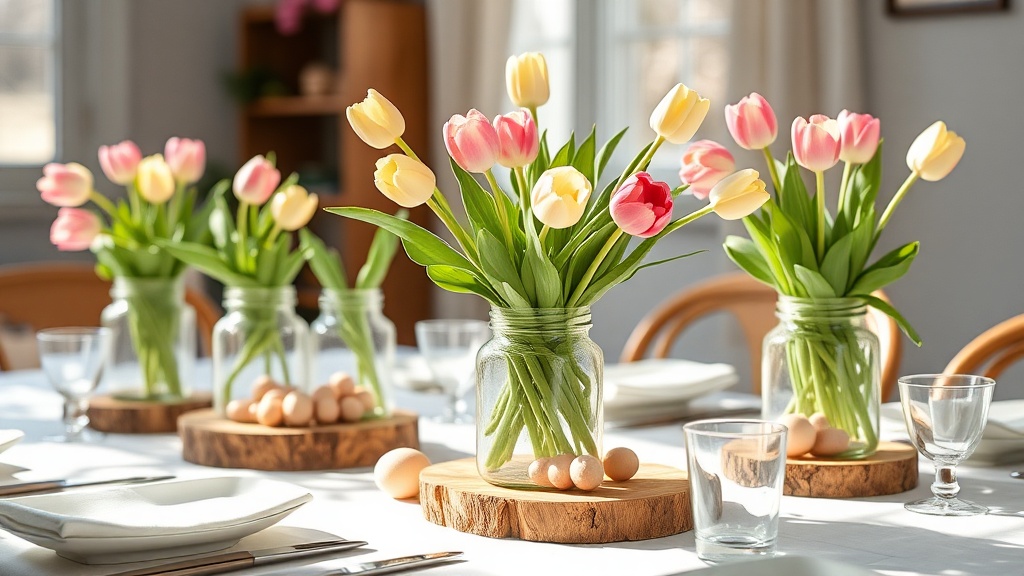
1. Glass‑Jar Bloom Vases
Why it works: A 2022 EPA report shows that reusing glass containers reduces carbon emissions by up to 30 % compared to buying new plastic vases (EPA, 2022). Plus, the clear shape lets pastel tulips and daffodils shine.
Materials:
- Cleaned glass jars (mason jars, jam jars, or old soda bottles)
- Twine or jute rope
- Small rocks or sand for stability
Step‑by‑step:
- Wash the jar and remove any labels.
- Wrap the neck with jute rope, securing with a knot.
- Add a layer of rocks, then fill with water.
- Trim seasonal flowers (tulips, daffodils, hyacinths) and arrange.
Pro tip: Add a few sprigs of rosemary for a subtle scent that also boosts mood—research links rosemary aroma to improved cognition (Harvard Health, 2021).
“I love that a simple jar can become a centerpiece that feels intentional and low‑impact.” — Maya
How Can I Incorporate Seasonal Blooms Without Buying New Flowers?
2. DIY Pressed‑Petal Runner
Why it works: Pressed flowers last for months, cutting down on waste. A study in Frontiers in Sustainable Food Systems found that using locally‑grown, seasonal flora reduces transportation‑related emissions by 45 % (Smith et al., 2023).
Materials:
- Fresh spring petals (wildflower pick‑ups, garden blooms)
- Heavy books or a flower press
- Recycled cardboard or a reclaimed wooden tray
- Eco‑friendly glue (e.g., wheat‑paste)
Step‑by‑step:
- Place petals between parchment paper and press for 48 hours.
- Once dried, arrange them in a line on the cardboard tray.
- Secure with a thin line of wheat‑paste.
- Position the runner down the center of your table; scatter a few loose petals for extra texture.
Pro tip: Mix in a few easter‑egg‑colored paper confetti made from scrap office paper—adds color without new waste.
Which Reusable Elements Add Personality Without Adding Waste?
3. Reclaimed Wood Base with Seasonal Accents
Why it works: Wood reclaimed from old pallets or furniture can be sanded and stained for a rustic vibe. The Journal of Environmental Psychology notes that natural textures increase perceived warmth and hospitality (Lee & Kim, 2020).
Materials:
- Small pallet board or discarded wooden crate
- Sandpaper (medium grit)
- Non‑toxic stain or oil (e.g., linseed oil)
- Miniature Easter ornaments (hand‑painted wooden eggs, fabric bunny silhouettes)
Step‑by‑step:
- Sand the wood until smooth; wipe clean.
- Apply a thin coat of linseed oil; let dry 24 hours.
- Attach a few fabric bunny silhouettes with a hot‑glue gun.
- Place the wood base in the center and surround with the glass‑jar vases and pressed‑petal runner.
Pro tip: Keep the wood base on a reusable silicone mat—it protects the table and can be tossed into the dishwasher after the holiday.
How Do I Tie the Whole Table Together?
Color coordination: Stick to a pastel palette—soft peach, lavender, mint, and butter yellow. Use these hues across the three centerpieces for cohesion.
Waste‑reduction checklist:
- ✅ Choose items you already own or can repurpose.
- ✅ Compost flower stems and any organic waste.
- ✅ Store reusable pieces in a dedicated "holiday décor" bin for next year.
Related reads:
- Spring Reset Checklist: 10 Science‑Backed Micro‑Doses – quick habits to pair with your Easter celebration.
- Eco‑Friendly Spring Home Upgrades: Turning Award‑Show Leftovers into Stylish, Sustainable Décor – more upcycling ideas for the whole house.
- Mindful Morning Routines: 10‑Minute Practices to Jump‑Start Your Day and Boost Productivity – set a calm tone before guests arrive.
Takeaway
You don’t need a boutique shop to create a stunning Easter table. By repurposing glass jars, pressing seasonal petals, and giving new life to reclaimed wood, you can craft a centerpiece trio that’s beautiful, budget‑friendly, and planet‑friendly. Try one (or all three) this Easter, and enjoy the extra joy that comes from knowing your celebration leaves a lighter footprint.
FAQs
{
  "meta": {
    "faqs": [
      {"question": "Can I use plastic bottles instead of glass jars?", "answer": "Glass is preferred for its lower carbon footprint, but a clean, recycled PET bottle works if you line it with a biodegradable sleeve."},
      {"question": "How long will pressed petals last?", "answer": "If kept dry and away from direct sunlight, pressed petals can stay vibrant for 6–12 months."},
      {"question": "Is linseed oil safe for food surfaces?", "answer": "Food‑grade linseed oil is safe after curing; it creates a natural barrier and adds a warm sheen without chemicals."}
    ]
  }
}