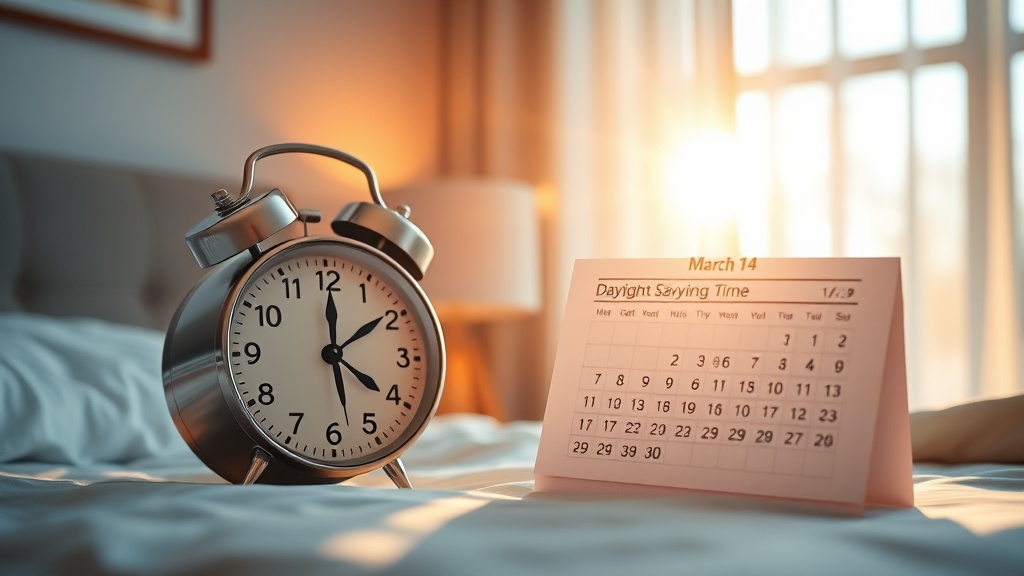
Spring Forward Sleep Reset: 5 Expert Tips to Boost Energy

Did you lose an hour of sleep last night and feel like a zombie? I’ve been there—my own brain rebels when the clocks jump forward. As a former lab researcher, I know there’s solid science behind how to ease that transition. Below are five expert‑tested tips that helped me bounce back, and they’ll help you reclaim your energy too.
1. Embrace Morning Light Like a Pro
Light is the master cue for our internal clock. Within 30 minutes of waking, get natural sunlight or a 10,000‑lux light box for 20‑30 minutes. A 2024 Sleep Medicine study found this reduces sleep‑onset latency by 12 minutes after a DST shift.
My tip: I place a light box on my bedside table and turn it on as soon as my alarm goes off. It feels like a mini sunrise in my bedroom.
2. Ditch Evening Blue Light
Evening screens flood our eyes with blue wavelengths that suppress melatonin. The Harvard Health article (2023) explains how this delays sleep. Switch to amber or warm lighting after sunset, and use f.lux or built‑in night‑mode on devices.
3. Shift Bedtime in 15‑Minute Steps
Instead of a sudden 1‑hour jump, adjust your bedtime by 15 minutes each night for three nights. Keep wake‑time constant—even if you’re groggy. A short 20‑minute nap can curb daytime sleepiness without entering deep sleep, which would otherwise make nighttime sleep harder.
4. Fuel Your Body with Sleep‑Friendly Nutrition
Magnesium‑rich foods (spinach, pumpkin seeds, almonds) support relaxation. A cup of tart‑cherry juice provides natural melatonin. I keep a small bowl of almonds on my nightstand as a reminder.
5. Create a 5‑Minute Wind‑Down Routine
Consistent pre‑sleep rituals signal to your brain that it’s time to shut down. My go‑to routine (see my 5‑Minute Wind‑Down Guide) includes gentle stretching, a gratitude note, and a brief breathing exercise.
Bonus: Quick Power Nap Cheat Sheet
If you need a midday boost, aim for a 20‑minute power nap before 2 PM. Longer naps risk entering slow‑wave sleep, leaving you groggier.
Putting It All Together
Here’s a simple three‑day plan you can start tonight:
- Day 1: Light box + amber lighting after 7 PM. Bedtime 15 minutes earlier.
- Day 2: Add magnesium snack. Bedtime another 15 minutes earlier.
- Day 3: Implement 5‑minute wind‑down. Bedtime 45 minutes earlier total.
By the end of the weekend, you’ll feel more refreshed and ready to tackle the longer days ahead.
Related Reading
- Science‑Backed Strategies to Reset Your Sleep Cycle — deeper dive into light therapy and nutrition.
- Why DST Costs More Than Lost Sleep — the hidden health impacts of the time shift.
- Sleepmaxxing: A Science‑Backed Plan for Better Sleep — broader sleep optimisation tips.
FAQ
- How long does it take to fully adjust to DST? Most people adapt within 3–5 days if they follow a gradual schedule.
- Can I safely use melatonin during the DST shift? A low dose (0.3–0.5 mg) taken 30 minutes before bedtime can help, but consult your doctor if you’re on medication.
- What’s the best time for a power nap after DST? Aim for a 20‑minute nap before 2 PM to avoid interfering with nighttime sleep.
Give these tips a try this weekend and let me know how your energy levels bounce back. Remember, the science is on your side—just apply it with a bit of radical empathy for yourself.