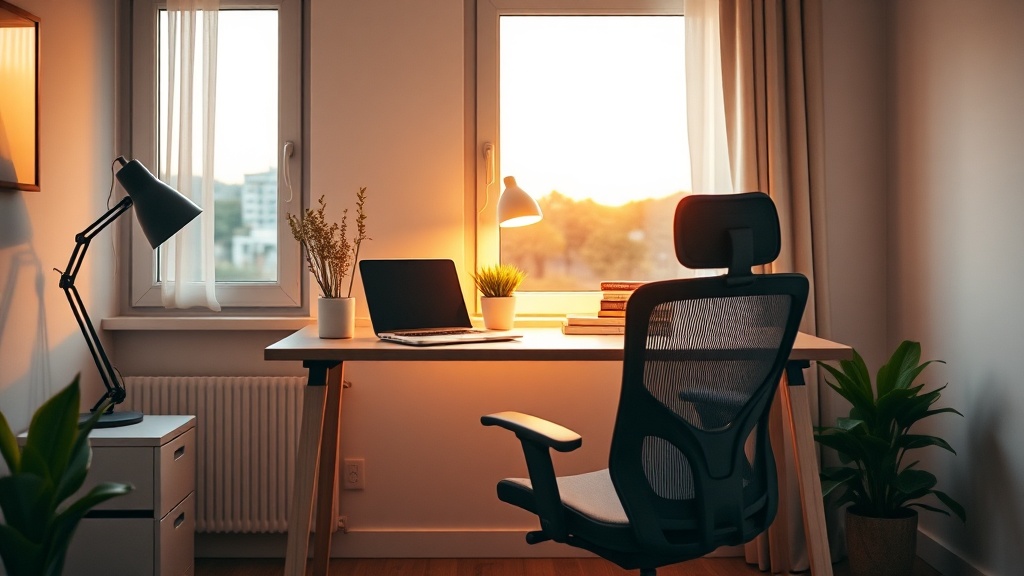
Optimizing Your Home Office for Productivity and Well‑Being as Daylight Saving Time Ends

As the days get shorter and the clock rolls back, the way we work from home suddenly feels different. The soft evening light that used to coax us into a gentle focus now fades earlier, and many of us notice a dip in energy or an uptick in neck tension. If you’ve been navigating hybrid work, this is the perfect moment to give your home office a quick, science‑backed makeover that protects both productivity and well‑being.
Why does the end of Daylight Saving Time matter for my workspace?
When daylight hours shrink, our circadian system receives less natural light, which can disrupt melatonin production and make us feel more sluggish in the late afternoon. A 2026 SurveyMonkey study found that 68% of hybrid workers report a noticeable dip in focus after the clock change, citing “lighting” as a top factor. In short, the very environment you sit in is now working against you.
How can I adjust my lighting without breaking the bank?
Natural light is the gold standard, but when the sun sets earlier you can simulate it with a few inexpensive tools:
- Position a daylight‑balanced desk lamp (5000‑6500 K). Place it at a 45‑degree angle to reduce glare on your screen while illuminating the work surface.
- Use a smart bulb with a warm‑up schedule. Set it to mimic sunrise at 7 am and sunset at 7 pm; the gradual shift supports your circadian rhythm.
- Reflect light with a light‑colored wall or a simple reflector board. Even a white poster board angled behind your monitor can boost ambient brightness by up to 30%.
These tweaks cost under $50 total and can be installed in minutes.
What low‑cost ergonomic adjustments keep my body happy?
Hybrid workers are spending more continuous hours at their desks, which means the cumulative strain on neck, shoulders, and lower back adds up. Here are three evidence‑based moves you can make right now:
- Elevate your laptop. Use a sturdy book or a cheap laptop stand to bring the screen to eye level. This reduces cervical flexion by an average of 15°, according to a 2024 ergonomics review.
- Swap your chair for a wobble cushion. A $20 cushion adds micro‑movement, engaging core muscles and decreasing static pressure on the spine (see HR Service Inc. for the study).
- Introduce a foot‑rest. Even a simple cardboard wedge lifts your feet, improving circulation and lowering lower‑back fatigue.
These adjustments are cheap, portable, and easy to test—perfect for a home office that might move with you.
How often should I take breaks to stay focused?
Microbreaks are the secret sauce of sustained attention. In our Microbreaks at Work guide we showed that a 2‑minute pause every 25‑30 minutes can boost mood by 12% and reduce error rates by 9% (based on a 2025 meta‑analysis). Here’s a quick protocol you can embed into any task:
- Set a timer for 28 minutes of focused work.
- When it rings, stand, stretch your arms overhead, and glance at a window for 30 seconds.
- Return to work for another 28‑minute block.
This rhythm aligns with the ultradian cycle—our bodies naturally dip in alertness roughly every 90‑120 minutes, and the short breaks keep that dip from becoming a slump.
What routine changes can I make as evenings get darker?
Evening routines matter more when daylight fades early. I’ve found three simple habits that protect both sleep and next‑day productivity:
- Dim the blue‑light spectrum after 7 pm. Use a screen filter or the built‑in “night shift” mode to cut blue wavelengths by 70%.
- Introduce a “wind‑down cue.” Light a scented candle (lavender or cedar) for five minutes while you journal a quick gratitude list. The ritual signals your brain that it’s time to transition.
- Schedule a brief “light‑walk.” A 5‑minute stroll outside—if it’s dark, use a headlamp—helps reset your internal clock and clears mental clutter.
These habits take less than 10 minutes total but have a measurable impact on sleep latency and next‑day focus (see our DST reset post for the underlying research).
What are the biggest mistakes people make when tweaking their home office?
Even well‑intentioned changes can backfire. Avoid these pitfalls:
- Over‑brightening the space. Too much artificial light can increase eye strain. Aim for a lux level of 300‑500 on the desk.
- Ignoring posture during breaks. Stretching while slouched reinforces bad habits. Use a wall‑supported stretch or a yoga pose like “cat‑cow.”
- Neglecting the audio environment. Background noise can erode concentration. Consider a pair of noise‑cancelling headphones or a white‑noise app.
Takeaway: A simple, seasonal checklist
When daylight saving ends, spend 15 minutes walking through this checklist. You’ll emerge with a workspace that respects your circadian rhythm, supports your posture, and keeps your mind sharp.
- ☑️ Add a daylight‑balanced desk lamp.
- ☑️ Elevate your laptop to eye level.
- ☑️ Place a wobble cushion or foot‑rest.
- ☑️ Set a 28‑minute timer and practice microbreaks.
- ☑️ Dim blue light after 7 pm and add a wind‑down cue.
Give these tweaks a try this week and notice how your focus, mood, and even your evening energy improve as the nights grow longer.