Oscars Carpet Floor Upgrade: A Sustainable DIY Guide

Ever wonder if you can give your apartment a high‑impact makeover without breaking the bank—and the planet? I did, and the answer arrived on a red‑carpet roll fresh from the Oscars.
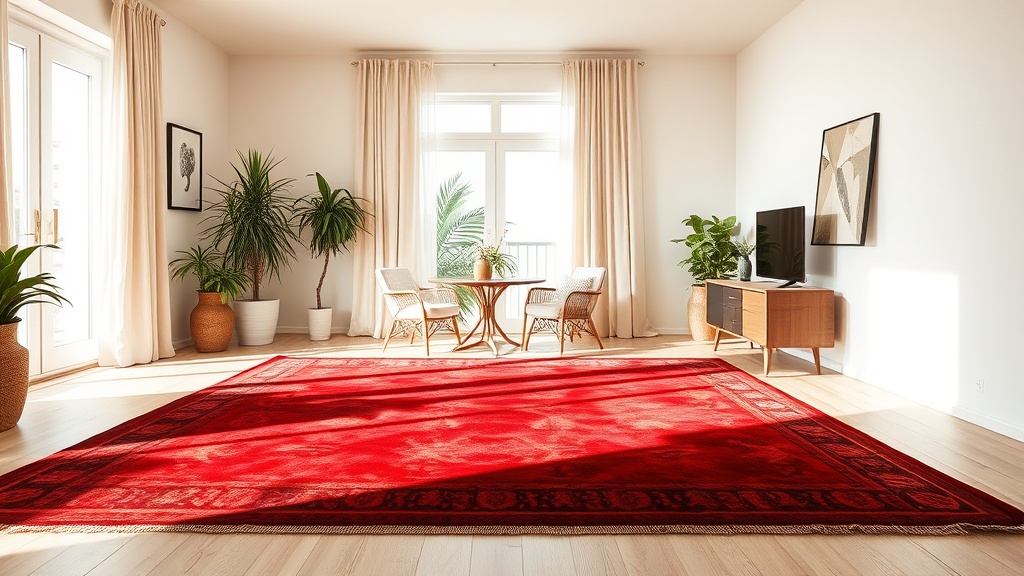
When I heard that LA creator Paige Thalia rescued the 2026 Academy Awards red carpet from a dumpster and repurposed it as a rug, I saw a perfect spring‑cleaning case study for renters who crave sustainable style. Below I walk you through how I turned that reclaimed carpet into a floor upgrade that’s affordable, renter‑friendly, and undeniably chic.
Why a Floor Upgrade Matters in Spring?
Spring isn’t just about clearing out closets; it’s a psychological cue to reset our environments. A fresh floor can:
- Boost mood by reducing visual clutter.
- Improve indoor air quality when you choose low‑VOC materials.
- Signal to yourself that you’re committed to sustainable living.
And the best part? You don’t need a landlord’s blessing for a temporary, removable solution.
What Are the Eco‑Friendly Flooring Options for Renters?
Renters often face three constraints: budget, landlord approval, and durability. Here are three options that tick all boxes:
- Reclaimed rugs & carpets. Think vintage Persian, thrift‑store finds, or, as in my case, a high‑profile red carpet. They’re already broken in, often made from natural fibers, and add a story to your space.
- Peel‑and‑stick bamboo tiles. Bamboo grows fast, sequesters carbon, and the adhesive backing makes installation reversible. EPA’s guide on green building materials recommends bamboo for its low embodied energy.
- Cork flooring tiles. Cork is renewable, antimicrobial, and comfortable underfoot. Many brands sell interlocking tiles that you can lift when you move out.
How Did I Install the Oscars Carpet?
Here’s the step‑by‑step process I used, complete with the little tricks that saved me time and money:
- Measure your space. I used a laser measuring app (I love MeasureIt) to get exact dimensions. The carpet came in 12‑ft rolls, so I cut it to fit a 10‑by‑12‑ft living‑room area.
- Prep the floor. I cleaned the existing hardwood with a non‑toxic cleaner (CleanLink’s green cleaning guide) and laid down a thin, breathable rug pad to prevent slipping.
- Lay the carpet. Unrolled the red carpet, smoothed out bubbles, and used a low‑tack double‑sided tape (removable, landlord‑safe) along the edges. The tape holds the carpet in place but peels away cleanly.
- Add a protective seal. Because the carpet is a one‑off piece, I sprayed a light, water‑based sealant (EcoCert‑approved sealant) to guard against spills.
- Style it. I placed a few indoor plants (snake plant, pothos) to soften the sheen and added a low‑profile coffee table to anchor the space.
Result? A floor that feels luxurious, tells a sustainability story, and can be removed in under an hour when it’s time to move.
What Are the Costs Compared to Traditional Flooring?
Traditional hardwood refinish or laminate can run $3‑$7 per square foot, plus installation fees. My reclaimed carpet cost $1.20 per square foot (the original purchase price was $0.90; I paid $0.30 for the rug pad and tape). That’s a 60‑80% savings, and the environmental impact is dramatically lower because I avoided new material production.
Where Can Renters Find Reclaimed Materials?
Here are my go‑to sources:
- thredUP — online thrift store with bulk carpet rolls.
- Freeman’s Market — local salvage yards often have carpet remnants.
- Community “Freecycle” groups — post a request for “leftover carpet” and you’ll be surprised by the generosity.
How Does This Fit Into a Spring‑Cleaning Routine?
Spring cleaning is the perfect moment to assess what you truly need. Ask yourself:
Do I want a floor that reflects my values and looks fresh without a permanent renovation?
If the answer is yes, a reclaimed rug is a low‑effort, high‑impact win.
Takeaway
Renters can upgrade their floors sustainably by thinking creatively about reclaimed materials. The Oscars carpet proved that a high‑profile, otherwise wasteful item can become a centerpiece of a green home makeover. Next time you’re spring‑cleaning, scan local salvage listings, measure your space, and give a discarded piece of fabric a second life. Your apartment—and the planet—will thank you.
Related Reading
- Eco‑Friendly Spring Home Upgrades: Turning Award‑Show Leftovers into Stylish, Sustainable Décor — more ideas for repurposing event leftovers.
- Spring Cleaning Your Wardrobe: Sustainable Swaps for a Fresh Season — extend your eco‑cleaning beyond the floor.
- Microbreaks at Work: A Science‑Backed Guide to Boosting Focus and Mood — quick mental resets to pair with a refreshed environment.
FAQs
- How can renters upgrade floors sustainably? Choose removable, low‑VOC options like reclaimed rugs, peel‑and‑stick bamboo tiles, or cork interlocking tiles. They’re easy to install and leave no permanent marks.
- What are affordable eco‑friendly flooring options? Reclaimed carpet or rug (often under $2/ft²), bamboo tiles (~$3/ft²), and cork tiles (~$4/ft²) provide budget‑friendly alternatives to hardwood.
- Where can I source reclaimed materials like the Oscars carpet? Thrift stores, local salvage yards, community Freecycle groups, and online marketplaces such as thredUP often list surplus carpet rolls.