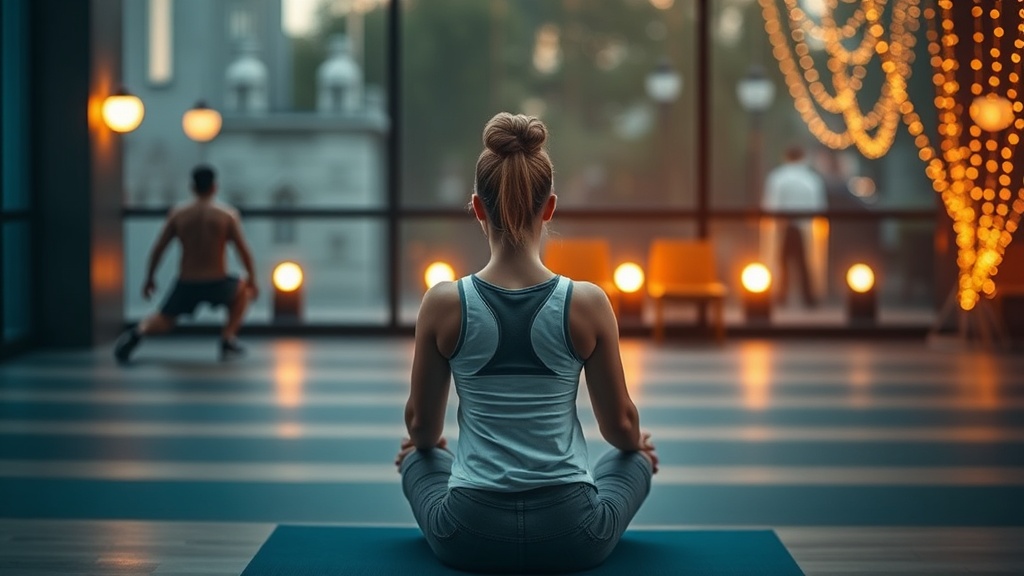
Finding Calm Through Small Movement Breaks

Quick Tip
Incorporate micro-movements like shoulder rolls or gentle stretching to release accumulated physical stress throughout the day.
Do you feel like your brain is running a marathon while your body stays stuck in a chair? This post looks at how short bursts of physical activity can reset your nervous system and break the cycle of mental fatigue.
When we sit for hours, our bodies enter a state of physical stagnation that often mimics mental burnout. It isn't just about being "lazy"—it's a physiological response to lack of movement. Small, intentional movement breaks can actually help regulate your cortisol levels and improve cognitive function.
How much movement do I actually need to feel better?
Even just two to five minutes of movement can significantly shift your physiological state. You don't need a full workout or a change of clothes to see a difference in your focus.
The goal here isn't to build muscle or run a marathon. It's about signaling to your nervous system that it's okay to transition out of a high-stress or high-stagnation state. Research on physical activity and health shows that even brief bouts of movement can improve mood and energy levels.
Try these three different styles of breaks depending on your current energy level:
- The Low-Energy Reset: Gentle neck rolls or a slow seated spinal twist.
- The High-Energy Spark: 30 seconds of jumping jacks or high knees to get the heart rate up.
- The Grounding Stretch: A deep forward fold or a standing calf stretch.
What is the best way to incorporate movement into a workday?
The most effective way to move is to tie a physical action to an existing habit or a specific time of day. This is known as habit stacking. If you wait for "free time" to move, you'll likely never do it because work always expands to fill the available space.
I personally use a timer on my phone or a physical object on my desk—like a Lululemon yoga mat rolled up in the corner—as a visual cue. If I see it, I know it's time to stand up.
| Movement Type | Time Required | Best For... |
|---|---|---|
| Micro-Stretch | 60 Seconds | Reducing physical tension |
| Walking Break | 5-10 Minutes | Mental clarity & fresh air |
| Intensity Burst | 2 Minutes | Breaking a mid-afternoon slump |
If you find yourself struggling to transition from work-mode to rest-mode, you might also benefit from building a digital boundary routine. Physical movement is one part of the equation, but how you handle your sensory environment matters just as much.
Can movement help with anxiety?
Yes, movement helps by shifting your focus from internal racing thoughts to external physical sensations. This is a form of somatic regulation. Instead of trying to "think" your way out of anxiety—which, as I've found, rarely works—you use your body to change your chemistry.
Sometimes, the best thing you can do for your mental health is to stop thinking and start moving. It's much easier to regulate your breathing when you're actually using your lungs for something more than just shallow, stressed breaths.