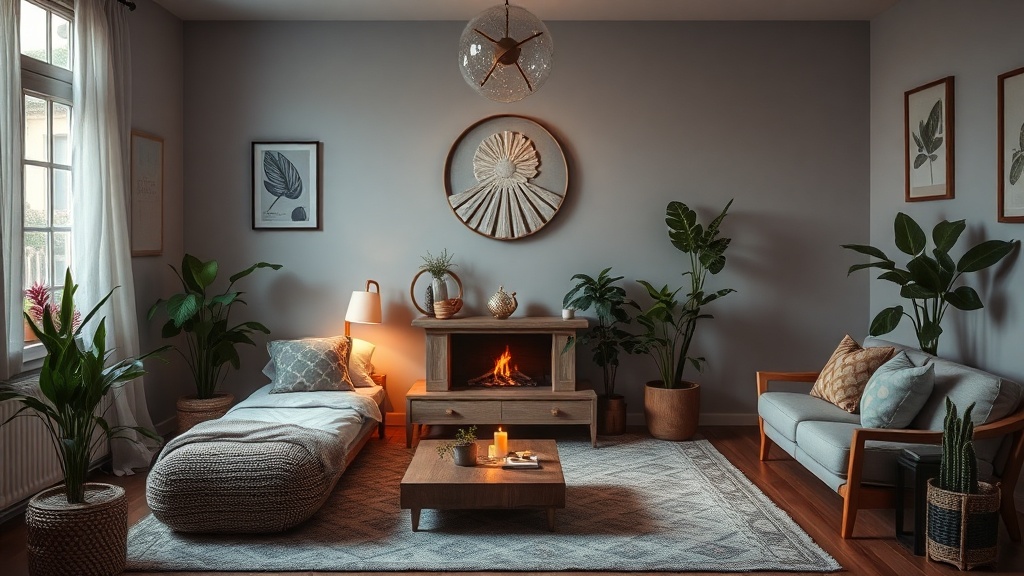
Creating a Low-Stimulation Sanctuary at Home

Imagine walking through your front door after a long day of work, only to be met by the bright glare of a smart fridge, the constant ping of a laptop, and a pile of colorful, cluttered mail on the entryway table. Instead of feeling a sense of relief, your nervous system spikes. You aren't just tired; you're overstimulated. This post covers how to transform your living space into a low-stimulation sanctuary by managing light, sound, and visual clutter. We'll look at the science of sensory regulation and provide a practical framework for building a home that actually helps you recover.
The problem isn't just "stress." It's the constant bombardment of sensory input that keeps your cortisol levels elevated long after you've clocked out. When your environment is high-stim, your brain stays in a state of hyper-vigilance. To fix this, we have to move away from the idea of "decorating" and toward the idea of "sensory engineering."
How Do I Reduce Sensory Overload at Home?
You reduce sensory overload by systematically removing unnecessary visual, auditory, and tactile inputs from your primary living areas. This starts with auditing your current environment to identify "micro-stressors"—those tiny things you've stopped noticing but your brain is still processing.
Most people think they need a full renovation to feel better. You don't. In fact, adding more "stuff" (even if it's high-quality stuff) often makes the problem worse. Start with these three pillars:
- Visual Quiet: Clear the surfaces. A cluttered coffee table isn't just an eyesore; it's a series of unfinished tasks for your brain to track.
- Auditory Control: Identify the hums. Is it the refrigerator? The HVAC system? The neighbor's leaf blower?
- Tactile Comfort: Check your textures. Are your sheets scratchy? Is your chair too stiff?
If you find yourself feeling particularly overwhelmed by these inputs, you might want to look into how to use a sensory toolkit to manage overstimulation. Having a designated set of tools can help bridge the gap between a high-stim environment and your new sanctuary.
The Light Problem: Moving Beyond Overhead Bulbs
The most common mistake people make is relying on "the big light." Standard overhead LED lighting is often high-intensity and high-frequency, which can mimic daylight and suppress melatonin production. This is a disaster for your circadian rhythm. Instead, aim for "layered lighting."
Think about using lamps with warm-toned bulbs (around 2700K) rather than bright white lights. Brands like Philips Hue offer excellent smart lighting solutions that allow you to dim the brightness or change the color temperature via an app. This isn't just a luxury—it's a tool for signaling to your brain that the "active" part of the day is over.
A quick way to test your lighting is to turn off the ceiling light and see if you can navigate the room using only floor lamps or small task lights. If the room feels too dark to be functional but too bright to be relaxing, you need to adjust your light layers.
What Are the Best Low-Stimulation Decor Colors?
The best colors for a low-stimulation environment are muted, desaturated, and earthy tones that do not compete for your attention. While a bright "pop of color" might look good in a magazine, it can act as a constant visual anchor that pulls your focus away from rest.
When choosing a palette, look at the principles of color theory. Highly saturated colors—like a bright crimson or a neon yellow—trigger a higher level of arousal in the brain. For a sanctuary, you want colors that recede. Think sage greens, dusty blues, or warm beiges. These shades are "low-arousal" colors. They don't demand that you look at them.
| Stimulation Level | Color Type | Examples | Effect on Nervous System |
|---|---|---|---|
| High | Saturated/Bright | Red, Neon Orange, Bright Yellow | Increased heart rate, high alertness |
| Medium | Primary/Standard | True Blue, Grass Green, Royal Purple | Engagement and active focus |
| Low | Muted/Desaturated | Sage, Sand, Slate, Terracotta | Relaxation and visual rest |
Don't feel like you have to paint every wall. Even changing your pillowcases or a throw blanket to a more muted tone can make a difference in how a room "feels" during your evening wind-down.
Managing the "Digital Noise"
Your sanctuary isn't just physical; it's digital. If your living room features a massive 65-inch television that sits like a giant, black, empty eye in the middle of the room, it's a source of visual tension. Even when it's off, the "black mirror" effect can be jarring.
Try to create "tech-free zones." This might mean the bedroom is a strictly no-phone area, or that the dining table is a place where no devices are allowed. If you can't avoid the TV, consider using a "Frame" style TV (like the Samsung The Frame) that displays art when not in use. It turns a piece of technology into a piece of static, calming decor.
How Much Does It Cost to Create a Sensory Sanctuary?
Creating a low-stimulation home can cost as little as zero dollars if you focus on subtraction, or it can cost thousands if you focus on high-end replacement. The most effective changes are often the cheapest because they involve removing things rather than adding them.
Here is a breakdown of how to approach this based on your budget:
- The Zero-Dollar Method: This is purely about subtraction. Hide your clutter in bins, turn off all standby lights (the little red LEDs on electronics), and clear your surfaces. Use heavy curtains you already own to block out streetlights.
- The Low-Budget Method ($50–$200): Buy a few warm-toned light bulbs, a cheap essential oil diffuser (like a Vitruvi or even a basic one from Amazon), and a weighted blanket. A weighted blanket provides proprioceptive input, which can be incredibly grounding.
- The Mid-Range Method ($500–$1,500): Invest in smart lighting systems, a high-quality white noise machine (the Snooz or Marpac Dohm are great for consistent, non-looping sound), and more substantial textiles like linen curtains.
- The High-End Method ($2,000+): This involves replacing furniture, installing built-in cabinetry to hide clutter, and perhaps even professional soundproofing or specialized acoustic panels.
The catch? If you spend $2,000 on a new sofa but leave your bright, flickering overhead lights and your cluttered desk in the room, you won't feel the benefit. The environment is a system. You have to address the inputs that are actually bothering you.
A common pitfall is trying to do everything at once. If you try to declutter the whole house, buy new lights, and change your entire color palette in one weekend, you'll just end up more stressed. Pick one room—usually the one where you spend the most time in the evening—and start there. Maybe it's just the bedside table. Clear it. Put a small, warm lamp there. Notice the difference in how your body feels when you lay down.
If you find that even in a quiet room, your mind is still racing, you might find it helpful to practice the box breathing technique to help manually down-regulate your nervous system while you settle into your new space.
Steps
- 1
Audit Your Sensory Triggers
- 2
Control the Lighting
- 3
Layer Soft Textures
- 4
Manage Auditory Input
- 5
Simplify Visual Clutter