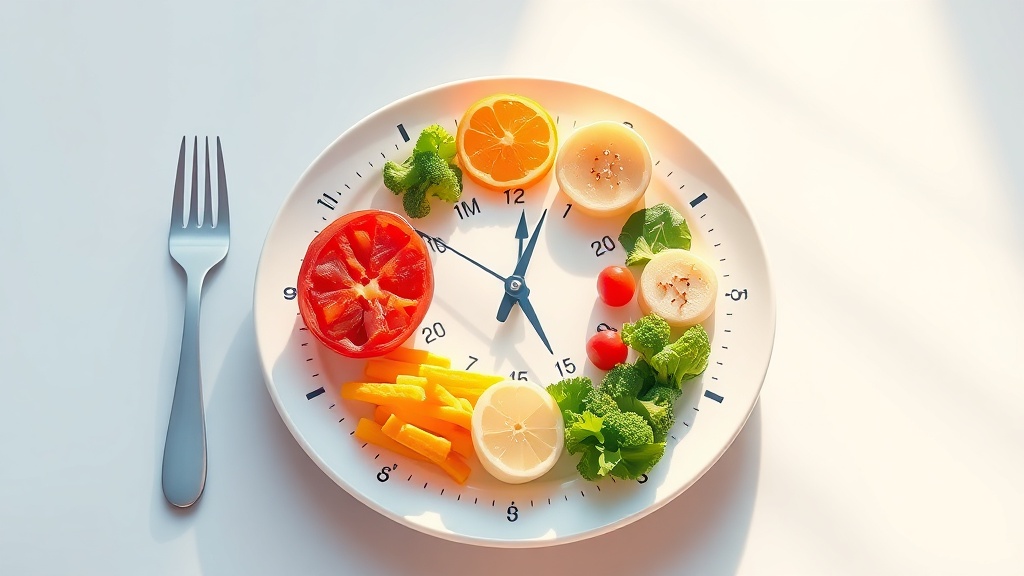
Bio-Harmony Eating: Sync Meals to Your Circadian Clock

Hook
Ever felt sluggish after lunch or wired at night despite a "healthy" diet? What if the problem isn’t what you eat, but when you eat it? Recent NIH research shows that syncing meals to your internal clock can sharpen energy, balance blood sugar, and even improve sleep quality – all without drastic diet overhauls.
Context
Our modern 24/7 lifestyle constantly challenges the ancient circadian system that evolved to match daylight with activity and darkness with rest. When we eat at odd hours, we send mixed signals to the liver, pancreas, and gut, sabotaging the very metabolism we try to nurture. The emerging field of chrononutrition—the science of eating with the clock—offers a practical, science‑backed way to reclaim that harmony.
What does the latest NIH study say about meal timing and metabolic health?
A 2025 NIH‑funded review of over 150 human trials (see Chrononutrition and Energy Balance: How Meal Timing and Circadian Rhythms Shape Weight Regulation and Metabolic Health) found that participants who confined their eating to an 8‑hour window aligned with daylight hours experienced:
- ~12% greater insulin sensitivity compared to those eating across a 12‑hour span;
- 5‑7% reductions in fasting triglycerides; and
- Improved sleep efficiency (average +15 minutes of deep sleep).
These benefits appeared even when total calories stayed the same, suggesting timing alone can tip the metabolic scales.
How can I start a Bio‑Harmony eating pattern tomorrow?
1. Identify your natural “peak” hours
Most people have a mid‑day metabolic high — roughly 11 am to 2 pm — when insulin works best. Use a simple self‑monitor: note when you feel most alert after meals versus when you feel “crashy.” For many, the sweet spot is a biggest meal (protein + complex carbs) at lunch.
2. Create a consistent eating window
Pick an 8‑10 hour window that fits your schedule. A popular pattern is 7 am – 5 pm:
- Breakfast (7‑9 am): Light, protein‑rich (Greek yogurt, nuts, or a veggie‑egg scramble).
- Lunch (12‑2 pm): Your main caloric load — lean protein, whole grains, and colorful veg.
- Snack (3‑4 pm): Small, low‑glycemic (berries, a handful of seeds).
- Dinner (5‑7 pm): Light, easy‑to‑digest (soup, salad, fish).
3. Honor the night‑time fast
Aim for 10‑12 hours of fasting after dinner. This aligns with the natural rise of melatonin, which slows digestion and encourages cellular repair. If you finish dinner by 7 pm, a breakfast after 7 am the next day is ideal.
4. Light‑manage your environment
Bright, blue‑rich light in the morning jump‑starts the circadian clock, while dim, warm light after sunset signals the body to wind down. Pair this with your eating schedule: no heavy meals after sunset — they can delay melatonin release and keep you wired.
5. Track, tweak, and stay flexible
Use a simple spreadsheet or an app like ChronoFit (free tier) to log meal times, energy levels, and sleep quality. After two weeks, adjust the window by 30 minutes if you notice persistent evening cravings or morning sluggishness.
Why does timing matter more than calories for some people?
Our bodies are governed by peripheral clocks in the liver, gut, and adipose tissue. These clocks are entrained by feeding cues. When you eat late, you essentially tell the liver "it's daytime," while the brain is still in night mode. This mismatch can raise post‑prandial glucose and blunt fat oxidation, leading to weight gain over time. The NIH review highlighted that time‑restricted eating (TRE) can lower HbA1c by 0.3‑0.5% even without calorie restriction — a clinically meaningful shift for pre‑diabetes risk.
How does Bio‑Harmony intersect with other Spring wellness habits?
Syncing with the Spring Forward Sleep Reset
If you’re already practicing the Spring Forward Sleep Reset: 5 Expert Tips to Boost Energy, pair it with a consistent eating window. Going to bed 30 minutes earlier and stopping food intake by 7 pm creates a double‑dose of circadian alignment.
Pairing with the Spring Reset Checklist
Our Spring Reset Checklist: 10 Science‑Backed Micro‑Doses lists tiny habits like "drink a glass of water at sunrise" — add "schedule first meal within 1 hour of sunrise" as a micro‑dose for extra impact.
Quick tip from Spring Wellness Quick Hits
In the Spring Wellness Quick Hits: 5 Science‑Backed Practices to Reset Your Mood we recommend a brief outdoor walk after lunch to reinforce daylight exposure, which further supports the timing of your main meal.
Common pitfalls and how to avoid them
| Pitfall | Why it hurts | Quick fix |
|---|---|---|
| Late‑night snacking | Sends mixed signals to the liver, spikes insulin when melatonin is rising. | Keep a small, protein‑rich snack (e.g., a boiled egg) before the fasting window starts, not after. |
| Skipping breakfast entirely | Can trigger cortisol spikes and make you over‑eat later. | Aim for a light, protein‑focused breakfast within the first hour of waking. |
| Inconsistent windows | Undermines clock entrainment; benefits fade. | Set a phone reminder for the start/end of your eating window for the first two weeks. |
| Heavy carbs after sunset | Delays melatonin, reduces sleep quality. | Swap late carbs for veggies and healthy fats (avocado, olive oil). |
Takeaway
Bio‑Harmony isn’t a fad diet; it’s a chronobiology‑informed framework that lets you harvest the body’s natural rhythms for better energy, metabolism, and sleep. By choosing a consistent 8‑10 hour eating window, front‑loading calories to the early afternoon, and honoring a nightly fast, you can start seeing measurable benefits within weeks — no calorie counting required. Try the 7 am – 5 pm schedule for two weeks, track your sleep and energy, and adjust as needed. Your body’s clock will thank you, and the data will prove it.
References
- Réda, A. et al. Chrononutrition and Energy Balance. PMCID: PMC12252119 (2025).
- Silva, L. et al. Circadian nutrition and obesity: timing as a nutritional strategy. PMCID: PMC12535013 (2025).
- American Heart Association. Role of Circadian Health in Cardiometabolic Disease. Circulation (2024).
- Peters, B. et al. Isocaloric time‑restricted eating shifts circadian clocks but does not improve cardiometabolic health in women with overweight. PubMed PMID: 41160666 (2025).
Ready to start your Bio‑Harmony experiment? Share your first week’s observations in the comments — I’ll be replying with tweaks tailored to your schedule.
Related Reading
- Spring Wellness Quick Hits: 5 Science‑Backed Practices to Reset Your Mood — quick mood‑boosting habits that pair well with timed meals.
- Spring Digital Detox: Refresh Your Online Habits for Better Mental Clarity — reduce evening screen time to protect melatonin and support your night‑time fast.
- Spring Forward Sleep Reset: 5 Expert Tips to Boost Energy — align sleep and eating for maximal circadian harmony.