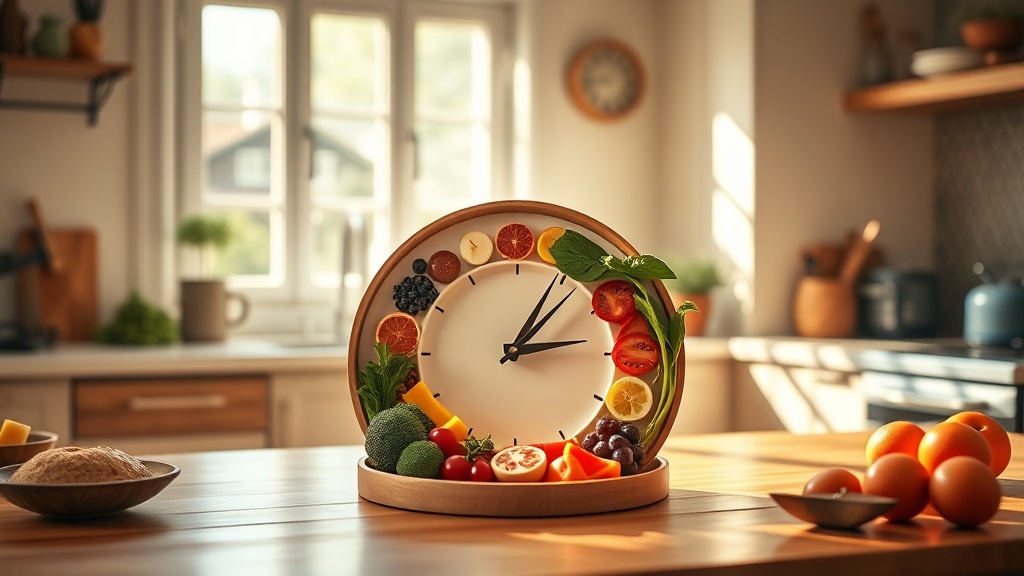
Bio-Harmony Eating Patterns: Align Your Diet with Your Circadian Rhythm

Ever notice how a late‑night pizza can wreck your sleep, while a sunrise smoothie feels like a reset button? That’s not a coincidence – it’s your circadian rhythm calling the shots on how you process food.
Why does the timing of my meals matter more than the calories I count?
Research from the Annual Review of Nutrition tells us that the when we eat is just as important as what we eat. Our internal clocks—set by daylight—regulate hormone release, insulin sensitivity, and gut motility. Miss the beat, and you invite metabolic chaos.
How can I use today’s longer daylight to reset my eating schedule?
Spring gives us extra daylight, a perfect cue to shift meals earlier. Here’s a step‑by‑step protocol I’ve been testing in my own kitchen:
- Morning anchor: Eat a protein‑rich breakfast within 60 minutes of sunrise. Think Greek yogurt + berries or scrambled eggs with spinach.
- Mid‑day window: Keep lunch between 11 am‑2 pm. Opt for whole grains, veggies, and lean protein to fuel your afternoon.
- Early dinner: Finish your last meal by 7 pm — ideally 3‑4 hours before bedtime. Light, low‑glycemic foods (e.g., salmon, roasted veggies) support melatonin production.
- Optional fast: If you’re up for it, try a 12‑hour fast (e.g., 7 pm‑7 am). It aligns with the natural dip in cortisol and can improve sleep quality.
For those who struggle with early mornings, start by building a calming wind‑down routine before bed. A relaxed mind makes waking up easier, letting you claim that sunrise breakfast.
What immediate benefits will I notice?
- Better sleep: Aligning dinner with the body’s melatonin surge reduces night‑time awakenings.
- Steadier energy: Early meals sync glucose spikes with daylight, preventing the dreaded 3 pm crash.
- Weight management: Studies in Chrononutrition show time‑restricted eating can modestly reduce body fat without calorie counting.
- Mood uplift: A balanced cortisol rhythm translates to fewer anxiety spikes, a finding I discuss in my Spring Self‑Compassion Reset post.
How do I stay consistent when life gets chaotic?
Life will throw curveballs—late meetings, social events, or a broken alarm. Here are three “bio‑harmony” rescue tactics:
- Micro‑break meals: If you miss breakfast, grab a quick protein snack (a handful of almonds) within an hour of sunrise.
- Light‑only evenings: Dim the lights after sunset to reinforce the night signal; it’s a tip from my DST reset guide.
- Plan ahead: Prep a week’s worth of meals on Sunday (yes, that includes a micro‑break snack schedule) so you’re not scrambling when hunger hits.
What’s the science behind “bio‑harmony”?
In a 2024 review in Frontiers in Endocrinology, researchers found that mistimed eating desynchronizes peripheral clocks in the liver and gut, raising the risk of obesity, type‑2 diabetes, and cardiovascular disease. Conversely, a feeding window that respects the central clock (the suprachiasmatic nucleus) improves insulin sensitivity and reduces inflammatory markers.
Takeaway: How to start your bio‑harmony experiment today
1️⃣ Set a sunrise alarm (or use a smart‑light that mimics dawn). 2️⃣ Log your meals in a simple spreadsheet, noting the clock time. 3️⃣ Adjust one meal at a time – start with breakfast, then lunch, then dinner. 4️⃣ Review after one week: note sleep quality, energy, and mood. 5️⃣ Celebrate the small wins – they’re the evidence that science works in everyday life.
Ready to give your body the rhythm it craves? Your spring reset starts on your plate.
FAQ
- What is bio‑harmony eating? It’s a nutrition approach that aligns meal timing with your body’s natural circadian clock, typically by eating earlier in the day and avoiding late‑night calories.
- How does meal timing affect sleep? Eating too close to bedtime spikes insulin and cortisol, which suppress melatonin. An early dinner gives hormones time to settle, leading to deeper, more restorative sleep.
- What’s a simple way to begin? Start by shifting breakfast to within an hour of sunrise and finish dinner by 7 pm. Keep a consistent 12‑hour fast if you feel comfortable.