3 PM Energy Crash: A Science-Backed Afternoon Reset

3 PM Energy Crash: A Science-Backed Afternoon Reset
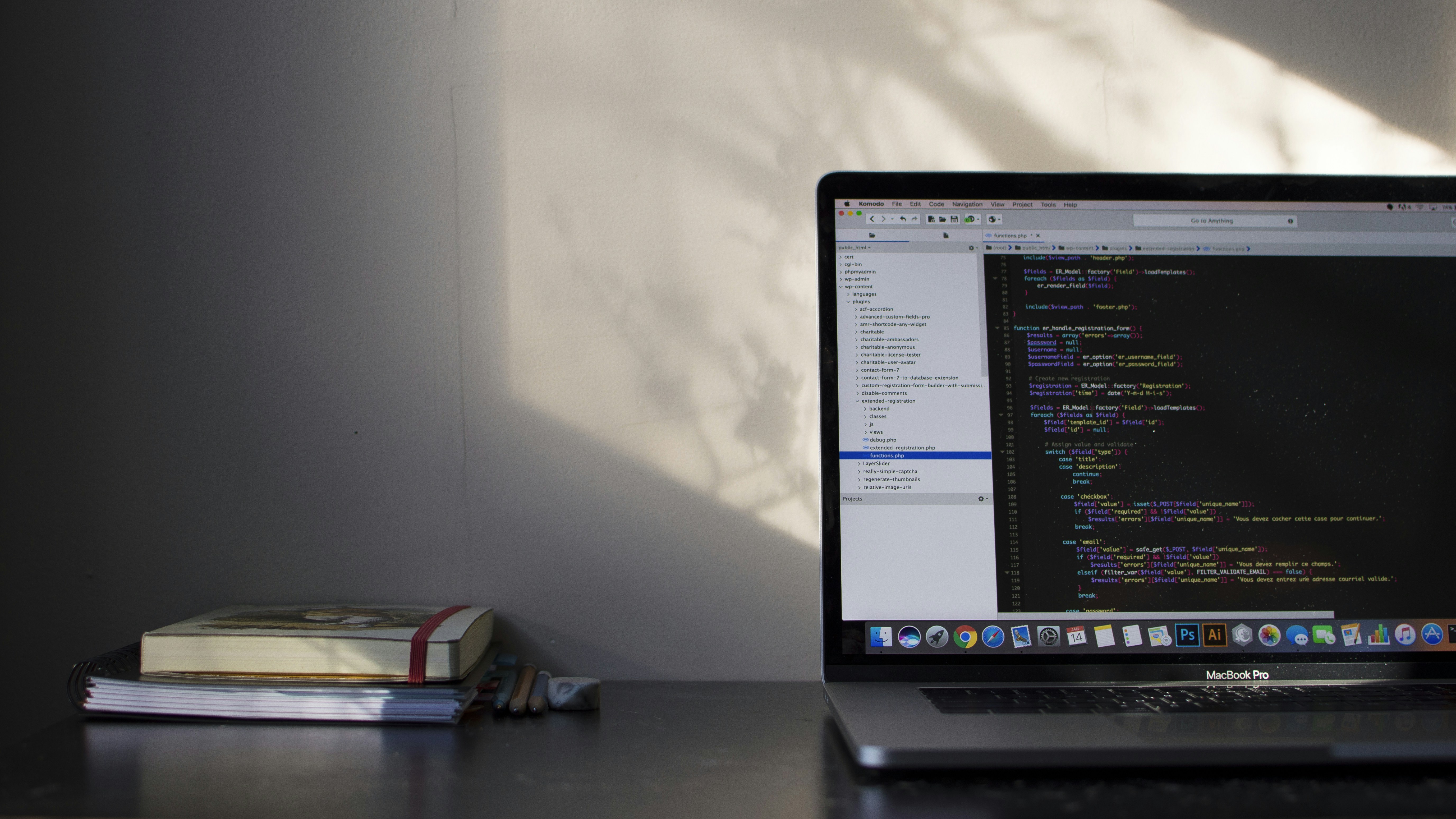
By 2:47 PM, I’m usually staring at my screen like it personally betrayed me. My mechanical keyboard is still click-clacking, and I’m eating salted almonds like they’re part of the methods section, but my prefrontal cortex is negotiating a ceasefire with gravity. If your brain also turns into warm pudding in the afternoon, you’re not broken.
The data says the 3 PM crash is often a real biological dip in alertness, not just a motivation defect. But my life says lunch choices, caffeine timing, and all-day sitting can absolutely make that dip worse.
This is your no-fluff protocol for getting through the afternoon without pretending you’re a productivity robot.
If the clock-change chaos already has your sleep fragile, pair this with this morning's daylight-saving survival plan.
Why the 3 PM Crash Happens (Even If Lunch Was “Healthy”)
The first useful reframe: a lot of people have an early-afternoon dip in alertness that is partly circadian. That pattern shows up in older lab work on vigilance and performance, where a dip appears even when lunch timing and intake are tightly controlled.
In one classic controlled protocol, Monk and colleagues observed that a post-lunch performance dip still appeared when normal lunch was replaced with standardized hourly liquid intake, suggesting the dip is not only about one big sandwich (Monk et al., 1996). Small sample? Yes: n=12 total. Still useful as mechanism-level evidence, not a final life script.
A driving-simulation study adds a practical warning: afternoon sleepiness can worsen after short sleep, and meal size wasn’t the main villain in the data (Reyner et al., 2012). Again, small sample (n=12 men), so I treat this as directional, not universal truth.
Here’s the friction point: most of us blame a single lunch decision, then miss the compound effect of poor sleep, caffeine timing, low daylight, and zero movement.
The Afternoon Reset Protocol (15 Minutes Total)
I built this from studies that are imperfect but consistent enough to be useful in real life. You don’t need to do all of it perfectly. You need repetitions.
1) Light first (2-10 minutes)
If you can step outside, do it. Bright light exposure is one of the fastest levers for alertness. Older lab work found brief bright-light exposure reduced subjective afternoon sleepiness, even when psychomotor test effects were mixed (Kaida et al., 2006; n=16 women).
Translation: your eyes and brain may feel more awake before your spreadsheet performance proves it. That still matters.
If outside isn’t possible, sit near a window or increase indoor light intensity during your dip window.
2) Move briefly, don’t “work out” (3-5 minutes)
You are not trying to become an afternoon athlete. You’re trying to stop the metabolic and attentional drag of uninterrupted sitting.
Randomized crossover work in older adults found that brief walking breaks (5 minutes every 30 minutes) improved post-meal glucose, insulin, and blood pressure compared with prolonged sitting, while standing breaks alone were weaker (Dempsey et al., 2018; n=60).
Smaller crossover studies in younger adults show even 1-3 minutes of stair climbing after a meal can improve short-term glucose/insulin responses (Yamane et al., 2024; n=31).
My practical cut: set a 55-minute timer, then do 3 minutes of walking, stairs, or bodyweight movement.
3) Don’t “chase tired” with late heavy caffeine
Caffeine can rescue a rough afternoon and quietly wreck tonight’s sleep, which then powers tomorrow’s crash. That loop is expensive.
A 2023 systematic review/meta-analysis found caffeine reduced total sleep time and deep sleep on average, with timing and dose both mattering (Weibel et al., 2023; 24 studies). Older home-based controlled work also found 400 mg disrupted sleep even when taken 6 hours before bed (Drake et al., 2013; n=12).
Newer randomized crossover data suggests lower doses can be less disruptive than high doses, but high-dose caffeine still harms sleep architecture when taken too late (Gardiner et al., 2025; n=23 men).
My rule: if you’re already under-slept, avoid the “hero dose” after mid-afternoon. Use smaller doses earlier, then switch to water/decaf/herbal tea.
4) Build a steadier lunch, not a purity lunch
I’m not here to moralize your sandwich. I care about whether your afternoon glucose and attention stay stable.
The data on meal composition and post-lunch performance is mixed, but enough evidence suggests large, fast-carb-heavy meals can amplify sleepiness in vulnerable people. The actionable move is boring and effective: include protein, fiber, and fat; reduce the giant refined-carb spike when possible.
Think: rice bowl with beans and veg plus protein, not just pastry plus cold brew (no shade, I’ve done both).
5) Optional 10-minute downshift (NSDR or short nap)
If your work context allows, a short non-sleep deep rest audio or a 10-20 minute nap can reduce subjective fatigue. But timing matters. Late naps can interfere with nighttime sleep for some people.
Here’s the friction point: people wait for a perfect quiet room and never do it. I’ve done NSDR in a parked car with a hoodie over my eyes. It counted.
Brain-check
Your afternoon crash is not proof that you’re lazy, weak, or "bad at discipline."
It’s usually a systems problem:
- sleep debt from the night before
- circadian biology doing circadian biology
- environmental under-stimulation (dim light, static posture)
- stress load and decision fatigue
When we turn this into a character judgment, we burn energy on shame instead of running the protocol.
A 5-Day Experiment (Because Data Beats Guesswork)
Run this Monday to Friday and score your 3 PM energy from 1-10 each day.
- Get outdoor light within your afternoon dip window (2-10 minutes).
- Do one 3-minute movement break each hour from lunch to end of work.
- Cap caffeine after 2 PM (or at least cut dose in half).
- Eat a protein-plus-fiber lunch at least 3 of 5 days.
- Use a 10-minute downshift when crash intensity is 7/10 or higher.
Track two outcomes:
3 PM energy scoresleep quality that night
If your energy improves but sleep worsens, your caffeine or nap timing is probably off. Adjust one variable, not all five at once.
Takeaway
The data says afternoon dips are normal and multi-factorial. But my life says we can blunt the crash with tiny, repeatable interventions that fit real schedules, chronic stress, and messy human constraints.
You do not need an expensive retreat, a detox tea, or a personality transplant. You need a better 15-minute system.
Small Win (today): Put one 3-minute walk break on your calendar for tomorrow at exactly 2:30 PM. Treat it like a meeting with your nervous system.
Bibliography
- Monk TH, Buysse DJ, Reynolds CF, Kupfer DJ. Circadian determinants of the postlunch dip in performance. Chronobiology International. 1996;13(2):123-133. doi:10.3109/07420529609037076.
- Reyner LA, Wells SJK, Mortlock V, Horne JA. 'Post-lunch' sleepiness during prolonged, monotonous driving: Effects of meal size. Physiology & Behavior. 2012;105(4):1088-1091. doi:10.1016/j.physbeh.2011.11.025.
- Kaida K, Takahashi M, Otsuka Y, et al. Indoor exposure to natural bright light prevents afternoon sleepiness. Sleep. 2006;29(4):462-469. PMID:16676779.
- Dempsey PC, et al. Metabolic effects of breaking prolonged sitting with standing or light walking in older South Asians and White Europeans: A randomized acute study. J Gerontol A Biol Sci Med Sci. 2018;73(6):754-761. doi:10.1093/gerona/gly252.
- Yamane T, et al. One minute of stair climbing and descending reduces postprandial insulin and glucose... A randomized controlled crossover trial. Medicine & Science in Sports & Exercise. 2024. PMID:38572086.
- Weibel J, et al. The effect of caffeine on subsequent sleep: A systematic review and meta-analysis. Sleep Medicine Reviews. 2023;69:101764. PMID:36870101.
- Drake C, Roehrs T, Shambroom J, Roth T. Caffeine effects on sleep taken 0, 3, or 6 hours before going to bed. J Clin Sleep Med. 2013;9(11):1195-1200. doi:10.5664/jcsm.3170.
- Gardiner CL, et al. Dose and timing effects of caffeine on subsequent sleep: A randomized clinical crossover trial. Sleep. 2025. PMID:39377163.
Meta excerpt (155 chars): 3 PM energy crash? Science says it’s usually circadian plus behavior. Use this 15-minute afternoon reset to stabilize energy without fake productivity hacks.
Tags: afternoon energy, circadian rhythm, caffeine timing, stress recovery, micro-habits